

 About PBC
Main Programme
DAY 1
7 Sep
DAY 2
8 Sep
Opening Ceremony & Keynote 1
A New Era for Philanthropy: Leading Through Complexity (Provisional)
Speaker(s)
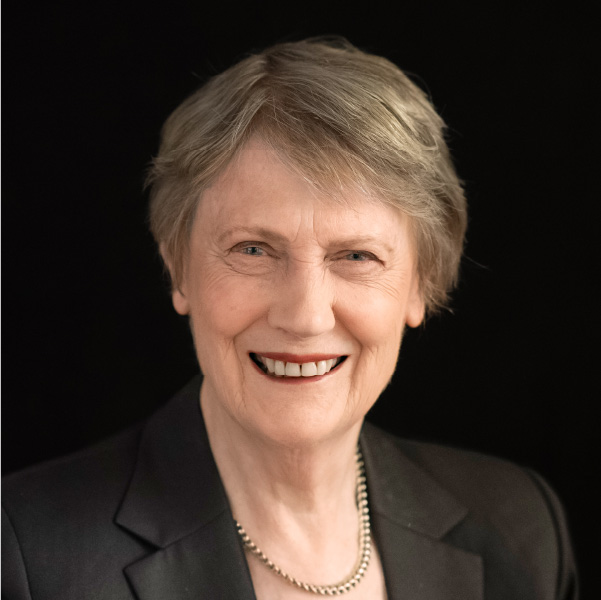
Helen CLARK
Moderator
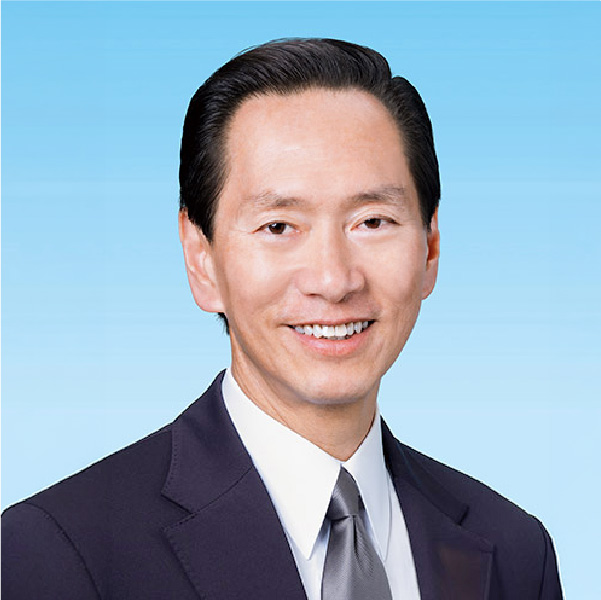
Bernard Charnwut CHAN
Coffee Break
Plenary 1
Reimagining Capital for the Greater Good: A New Market for SME Financing
Speaker(s)
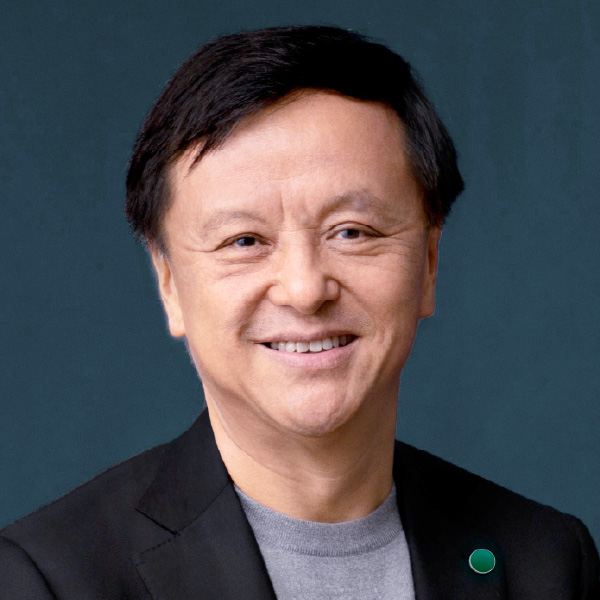
Charles LI
Plenary 2
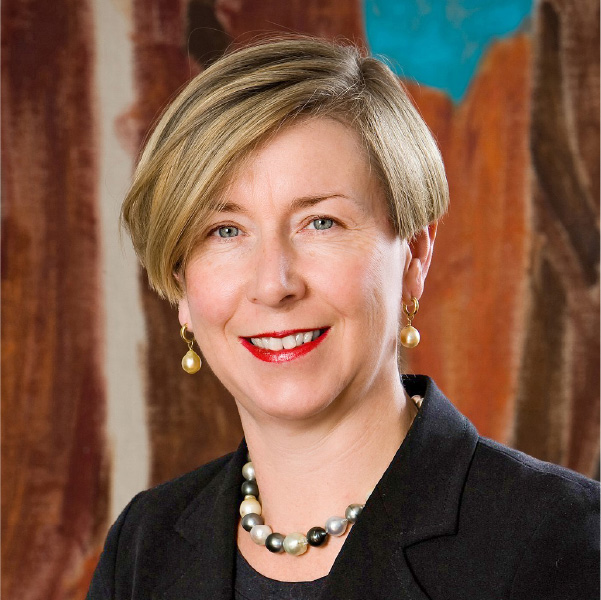
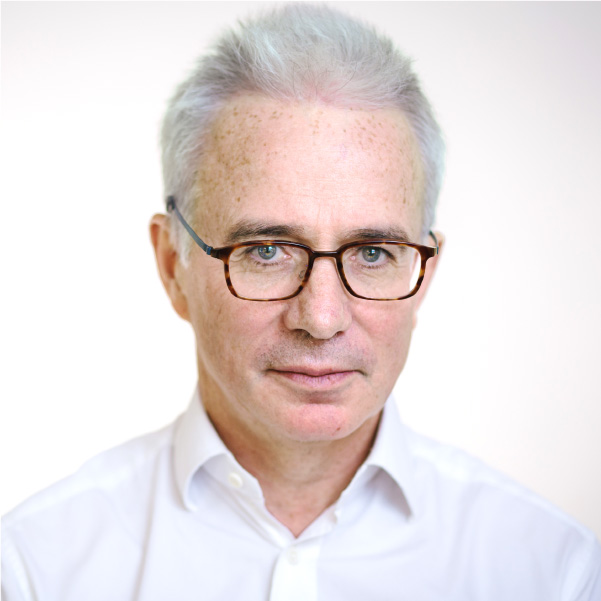
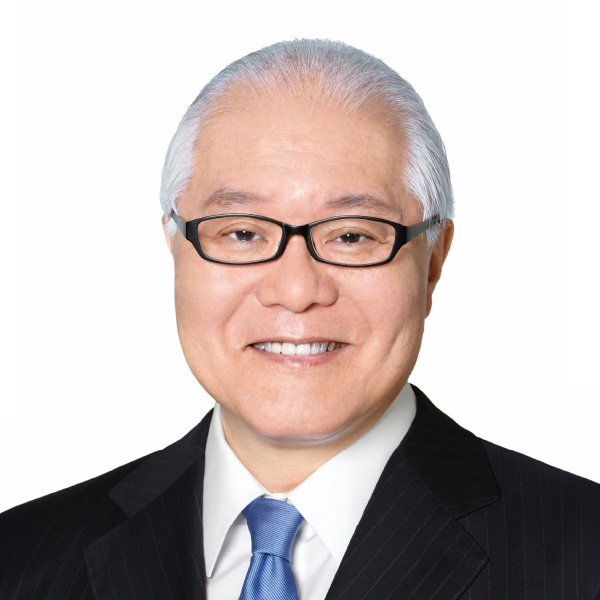
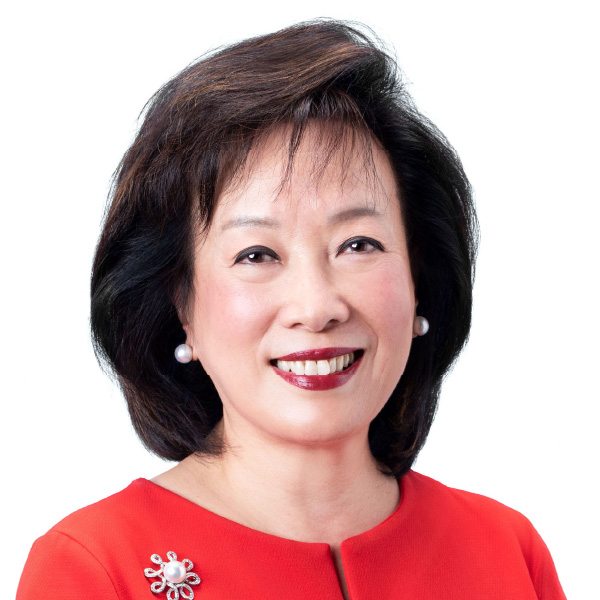
The Evolving Role of Philanthropy in Social Services
For decades, Asia’s economic growth and youthful demographics made it feasible for governments to finance social services from cradle to grave. Today, that model is no longer sustainable. Ageing populations and shrinking labour forces mean governments can no longer afford the rising costs and demands for social services. This has put the quality and continuation of essential social services at risk.
As an alternative source of funding, philanthropy offers distinctive strengths for addressing that problem. It is catalytic, innovative, and experimental, helping to derisk investments through longer term funding. Realising its full potential requires strategic thinking and deep collaboration across sectors to identify how public, private and philanthropic resources can best complement one another.
This session will explore the roles and boundaries of philanthropy, governments, markets and society in financing social services, and their evolving impacts.
Speaker(s)
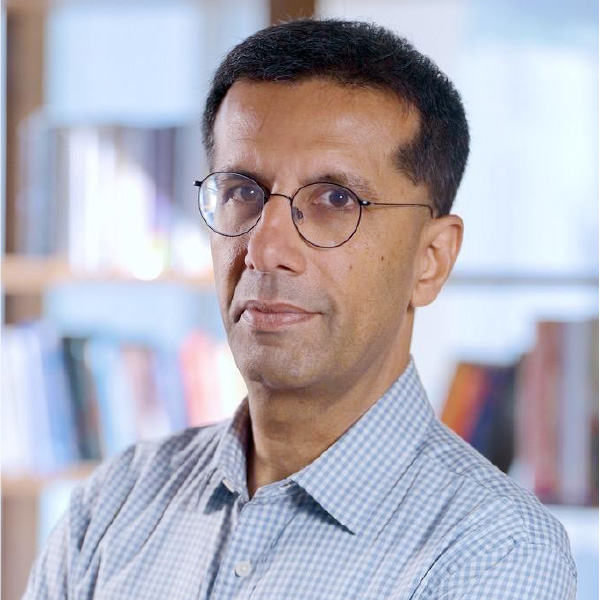
Ashish DHAWAN
Jane HALTON
Peter SANDS
Keizo TAKEMI
Moderator
Rosanna WONG
Lunch Break
Track 1.1 Impact Studio
Ageing Well Together: Connected Community for Thriving Lives
As life expectancy increases, new challenges have arisen: how can we age with dignity, remain socially connected, and preserve our mental wellbeing in later life? This Impact Studio explores community-based responses to these dimensions of ageing.
Panellists will draw on real-world examples to explore how stakeholders can collaborate on holistic and scalable approaches to ageing well, moving beyond discrete interventions towards coordinated strategies that address social isolation and declining mental wellbeing among older adults.
Two Trust-Initiated Projects will be spotlighted. JC JoyAge and JC Carer Space illustrate how social participation, peer support, and psychological resilience can be cultivated concurrently among older adults and their carers, thereby strengthening individual wellbeing while reinforcing the intergenerational connections that underpin a shared sense of belonging.
Speaker(s)
Angelique CHAN
, 2026_07_15_20_08_47.jpg)
Laura GITLIN
LAM Ching-choi
Moderator
Patrick NIP
Track 1.2 Impact Studio
Where Poverty Breaks or Persists: From Housing to Sustainable Livelihood Outcomes
In many fast-growing cities, poverty is anything but a single condition. It is an interlocking web of housing precarity, unstable incomes, overstretched infrastructure, and limited access to opportunities. Many families navigate these pressures with ingenuity, but the pathways out of poverty remain narrow, fragile, and dependent on short-term relief.
This Impact Studio explores practical urban programmes that help families move towards lasting stability. It will focus on how the Urban Graduation Approach—featuring sequenced, time-bound, innovative, targeted support with capability building that helps households develop sustainable livelihoods and self-reliance—can be effectively scaled in dense city settings. Drawing on successful local applications through initiatives including JC PROJECT LIFT and the Jockey Club Community Kitchen series, which provides extended living space and helps build social capital for underprivileged families in inadequate housing, the discussion will examine what worked, why, and how these insights can inform future urban interventions.
At its heart, this Impact Studio is about possibility—how pathways can be found from precarity to dignity, from makeshift shelter to a place one can truly call home.
Speaker(s)
Warren ANG
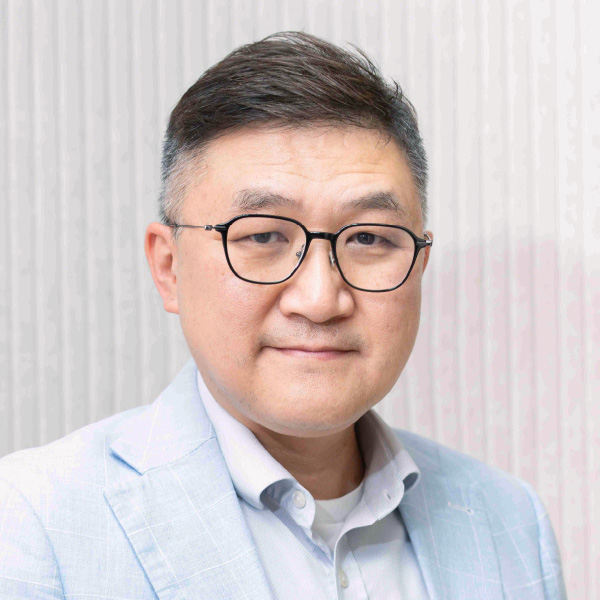
Charlie CHAN
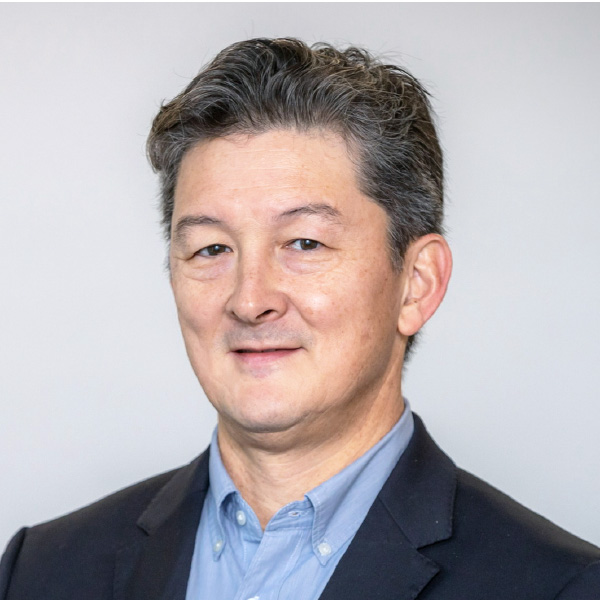
Gregory CHEN
Moderator
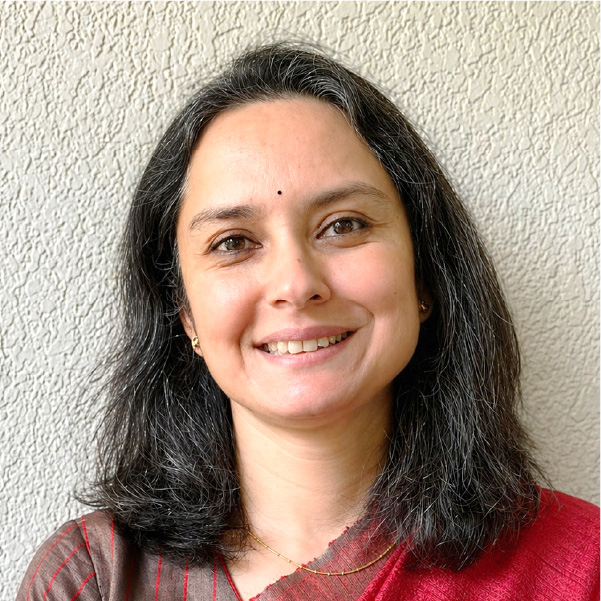
Shobhini MUKERJI
Track 1.3 Impact Studio
Designing Climate Resilience with Nature: Smart Wetlands in Practice
As climate risks intensify, many wetlands are confronting a convergence of challenges, from extreme weather events and ecosystem stress to accelerating biodiversity loss, exposing the limitations of traditional conservation approaches.
This Impact Studio focuses on practical and context-specific responses, exploring how smart technologies can enhance the stewardship of wetlands, given their critical role in supporting biodiversity amidst the growing threats brought by the climate change. Drawing on applied work at the Mai Po Nature Reserve and global practices, the session examines how conservation is evolving from static protection toward responsive and adaptive management.
Participants will explore how ecological systems, data, technology, and regional collaboration can work in concert to deliver measurable gains in climate adaptation, biodiversity outcomes, and community resilience, and create a forward-looking response to climate pressure.
Speaker(s)
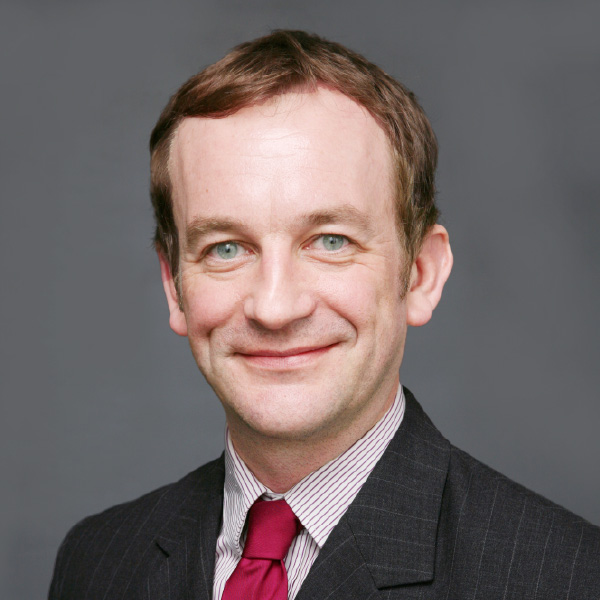
David GALLACHER
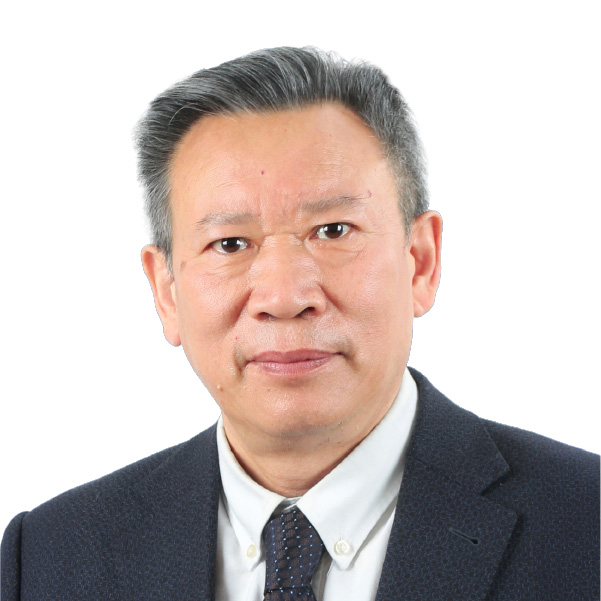
LEI Guangchun
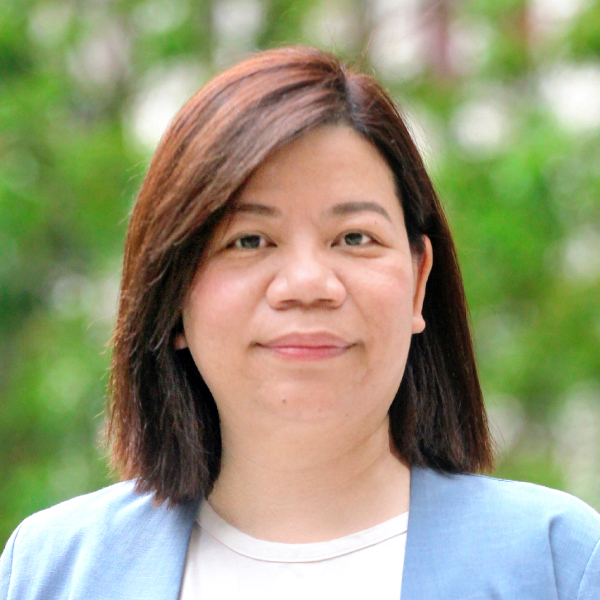
Nicole WONG
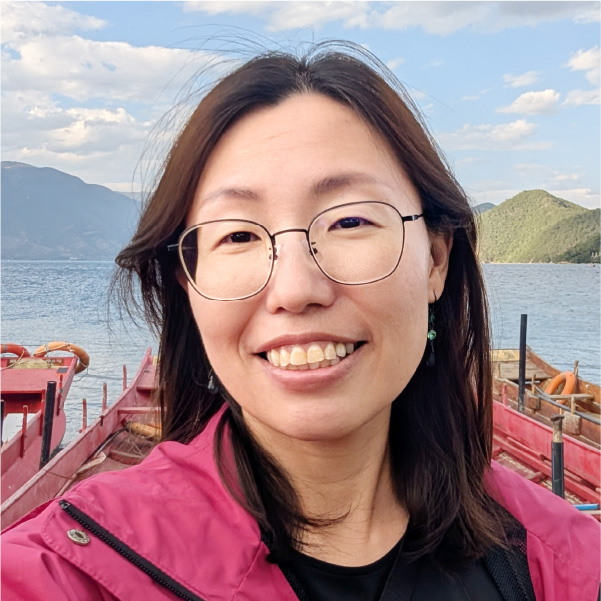
Shufen YANG
Moderator
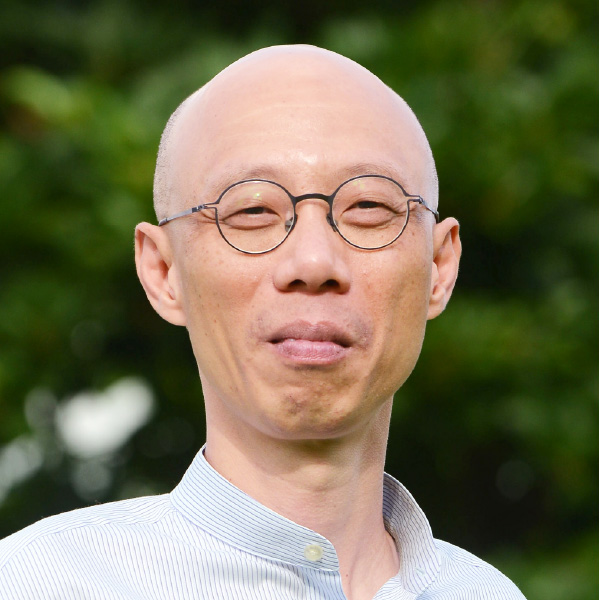
WONG Kam-sing
Track 1.4 Co-learning Workshop
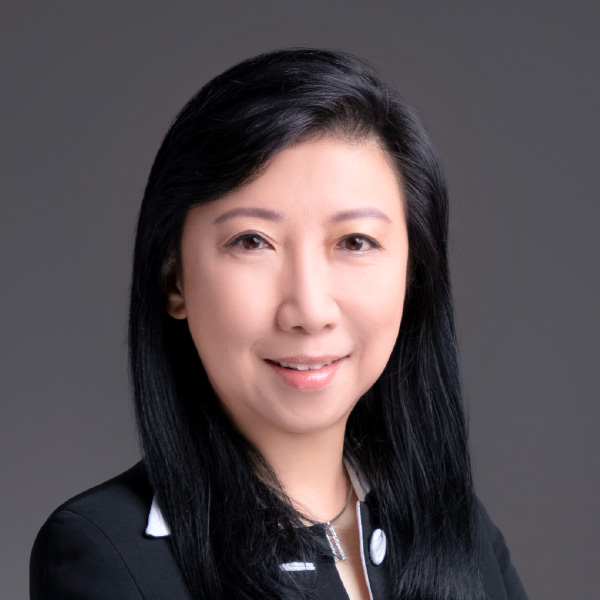
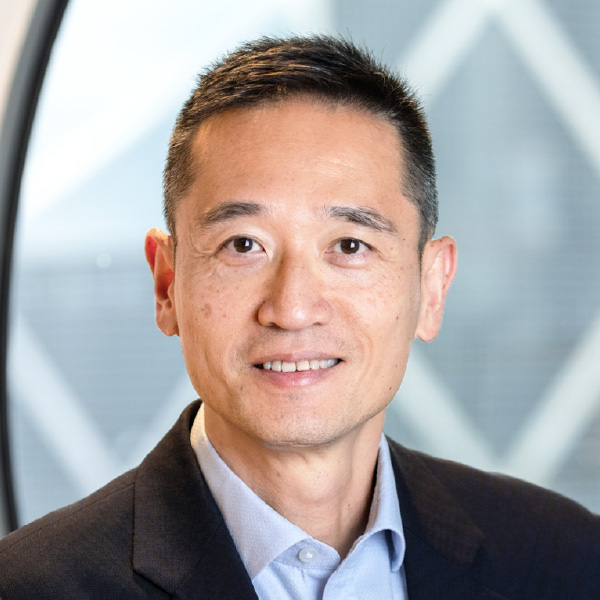
When Funders Say Yes: Inside the Funding Decision
Behind every decisive “yes” from a funder lies a set of deeper questions: What change is truly possible? What evidence inspires confidence? And how clearly does an organisation understand the priorities and constraints of those it hopes to partner with?
This workshop convenes leaders of private and impact-oriented philanthropic organisations to shed light on how they read opportunities, interpret risk, and recognise work that is ready for support. Rather than focusing on tactics, the session examines the craft of making a case that is strategically grounded, emotionally resonant, and intellectually honest.
Participants will explore how to articulate purpose with clarity, frame results in ways that matter, and demonstrate progress with evidence that withstands scrutiny.
Speaker(s)
Cecilia HO
Lawrence TSANG
Moderator

Queenie MAN
Coffee Break
Plenary 3
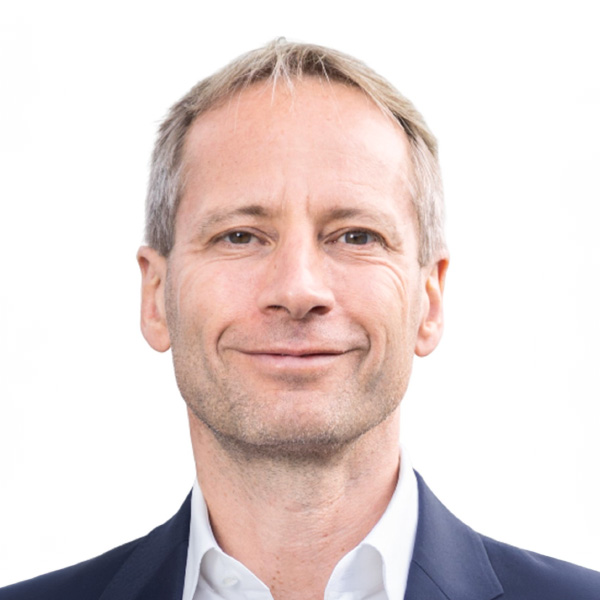
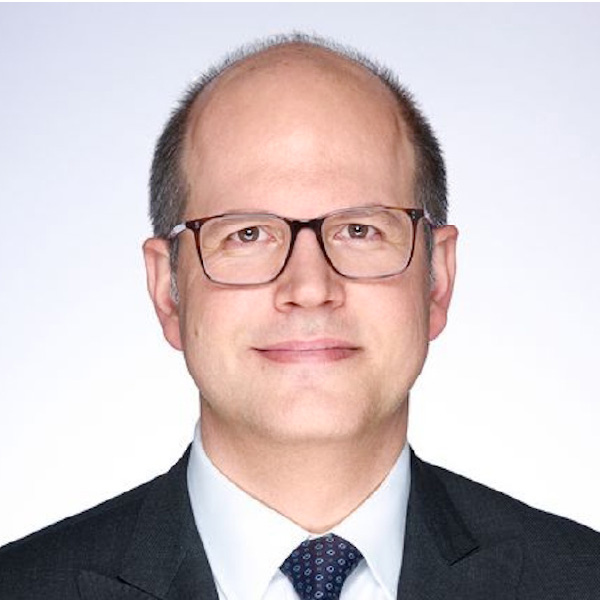
Sport as Civic Infrastructure: Building Leadership and Social Impact Across Systems
Around the world, sport’s social impact depends on the strength of its institutions—its federations, clubs and businesses—to govern, collaborate, and uphold trust at scale. This session explores what responsible, future-ready leadership might look like when these sports organisations widen participation and strengthen communities.
Moving beyond single-programme success, the discussion examines the bigger picture of sport in society and how that can be advanced through institutional levers, such as transparent governance, system safeguards and integrity, cross-sport standards, and pathways for athletes, coaches, and sport-adjacent careers. These levers, in turn, can advance collaborative infrastructure, such as shared facilities, coach accreditation frameworks, and multi-sport youth pipelines, that have the potential to scale access, build social pathways, and encourage socio-economic advancement across regions.
This session will offer a blueprint for leaders who see sport not only as competition, but as a public-minded institution with a global responsibility to partner across countries and sectors and build trust, inclusion, and long-term social impact.
Speaker(s)
Axel SCHWEITZER
Andreas ZAGKLIS
Moderator
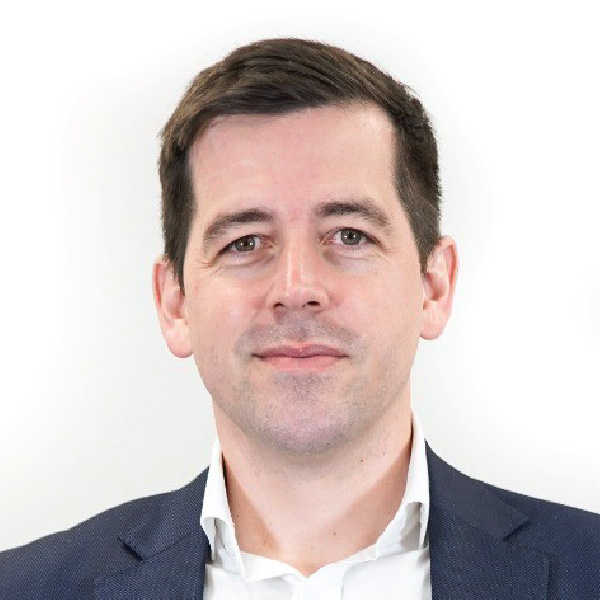
Henry KERINS
Coffee Break
Plenary 4
Two Playbooks, One Goal: Navigating Social Mobility in Asia’s Twin Cities
In an era of rapid economic and technological change, how do Asia's two global cities ensure that growth translates into upward social mobility – especially for our next generation?
Social mobility remains a defining challenge for advanced economies navigating structural shifts in labour demand, demographic change and evolving skillset requirements. Youth mobility is an increasingly important dimension of this challenge, as younger generations face new barriers like shrinking jobs, skills mismatches and uncertain career pathways amid rapid technological change. While Hong Kong and Singapore share common pressures as global cities, their policy approaches to labour and wage protection, workforce resilience and opportunities for youth advancement reflect distinct institutional choices and socio-economic priorities.
This session will explore how governments can design labour market policies that both protect workers and enhance productivity, while providing ample opportunities for our next generation. It will examine the future of jobs, skills and career pathways, as well as youth mobility in an economy increasingly shaped by technological disruption. It will also consider the role of philanthropy, employers, and civil society in bridging gaps that public policy alone cannot address—particularly in supporting individuals facing barriers to workforce participation and career development.
Speaker(s)
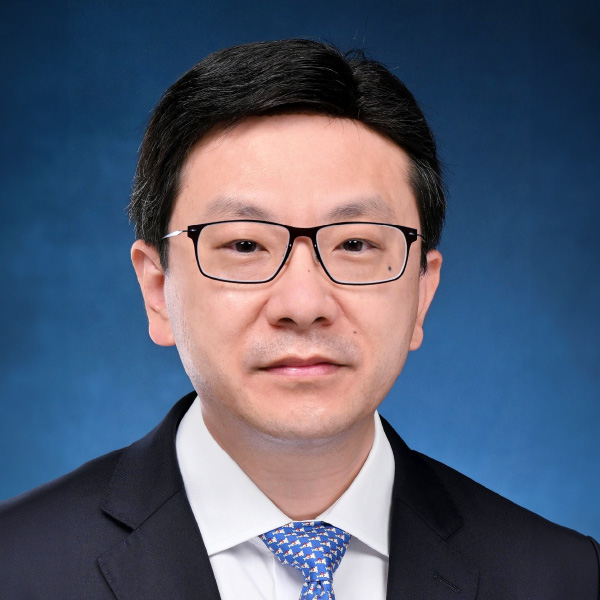
Chris SUN Yuk-han
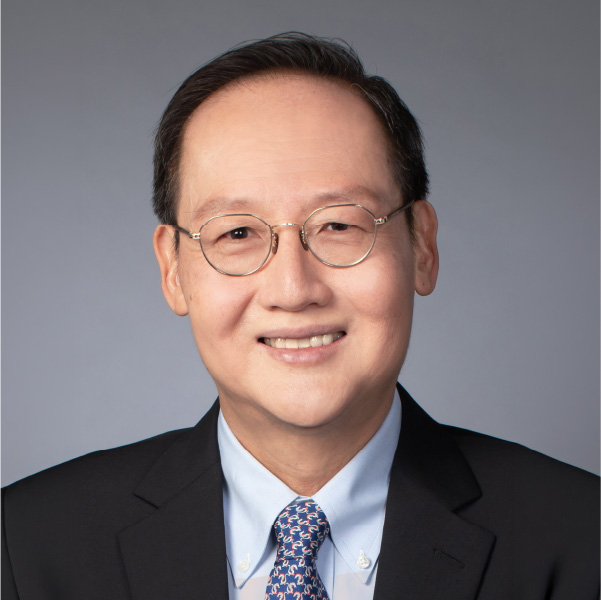
TAN See Leng
Panel Chair
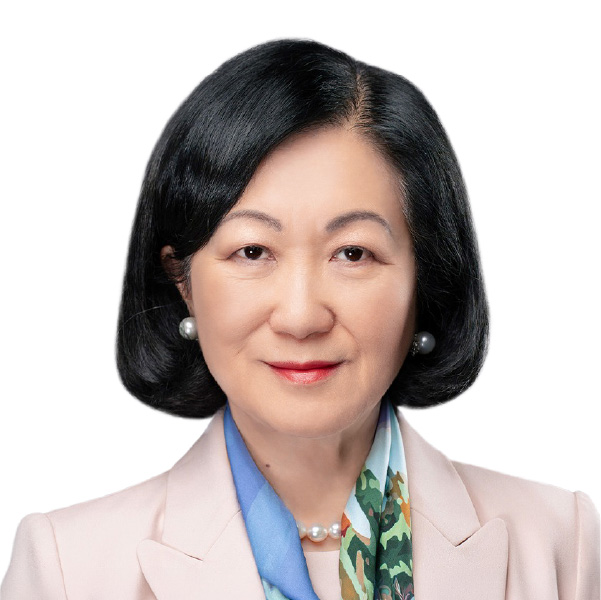
Regina IP LAU Suk-yee
Coffee Break
Plenary 5
Expanding the Arena: Philanthropy, Leadership, and Pathways Beyond Sport (Putonghua session)
Elite sport cultivates qualities that set top athletes apart: clarity under pressure, exacting standards, and a discipline forged through years of purposeful striving.
When that reservoir of capability is directed beyond the sporting arena, it can strengthen civic life—by anchoring trusted community leadership, raising the ceiling of what is possible, and forging pathways into sport-adjacent work, including wellness and education, media and entrepreneurship, public service, and local enterprise.
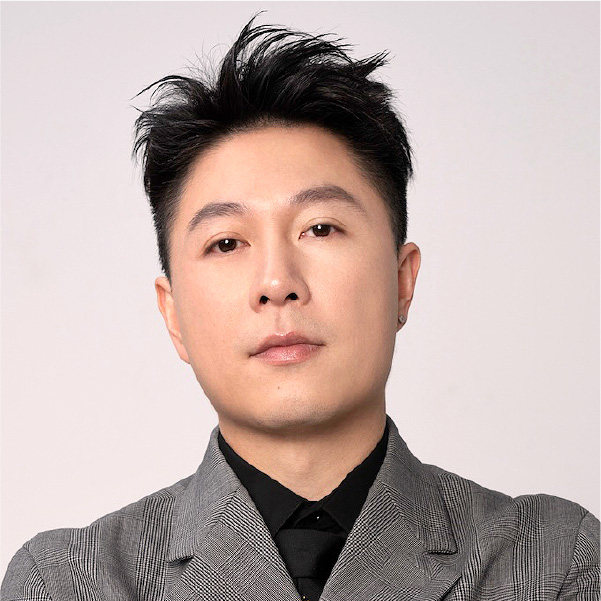
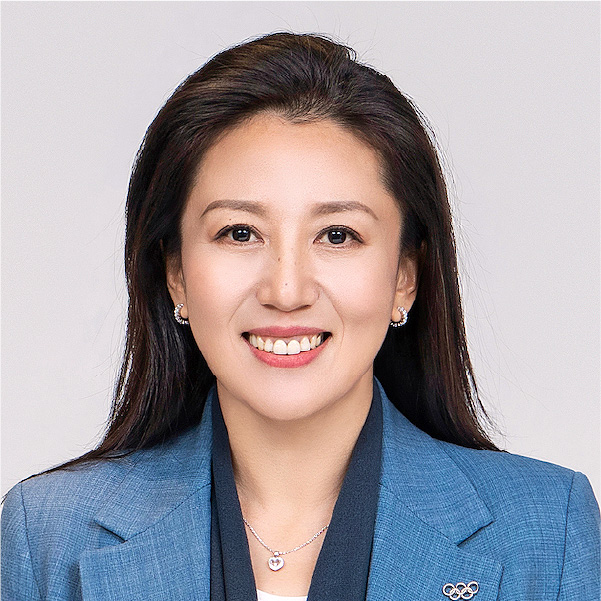
This session features three of China’s most accomplished athletes who, after retirement, have transitioned into new roles focused on giving back to society. At its core, it explores a continuum of leadership—tracing how excellence honed on one world stage can evolve to shape institutions, steward emerging talent, and widen access. It will explore how athletic leadership can be translated from sporting excellence to philanthropy, recognising sport as a strategic asset in promoting wider causes.
Speaker(s)
LI Xiaopeng
YANG Yang
Keynote 2
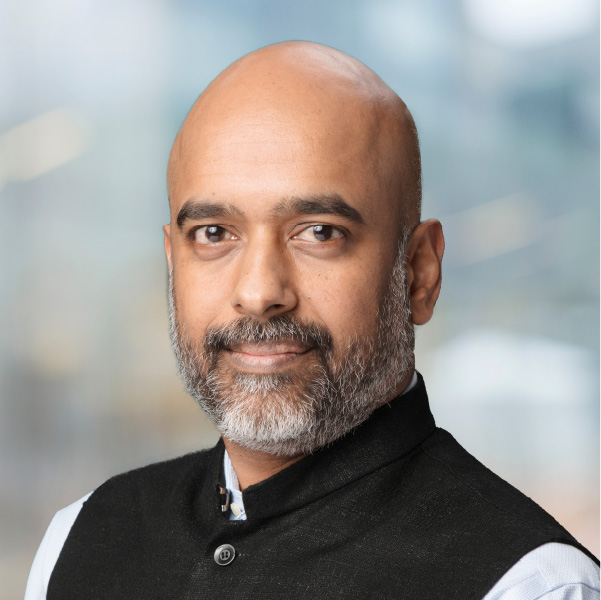
Leapfrogging into the Future: Driving the Next Wave of Inclusive Growth
Speaker(s)
Hari MENON
Moderator
James CHAU
Plenary 6
Philanthropic Impact in Asia: When Capital Works Across Systems
The challenges of today rarely exist in isolation, nowhere more so than in Asia. Health, livelihoods, education, and climate risk are deeply interconnected within some of the world’s most populous and diverse communities. Achieving impact in this context requires capital that can act across systems, align public, private, and philanthropic funders, and stay mission focused as solutions move from concept to broad adoption.
This session examines the considerations and approaches required to align different types of capital and partners to meet the needs of complex challenges in the region. How can different funders work together to unlock more impact capital that is fit-for-purpose, whether for specific impact ventures or multi-decade systems change? How can different funders practically combine values led strategies, systemic impact, and commercial discipline? And how can funders manage collaborations between public, private, philanthropic, and multilateral partners as needs, contexts, and leadership change?
This practical discussion, from differing perspectives on the potential of impact capital, will highlight the diversity of unmet needs it can address; the challenges of breaking silos and aligning interests across partners; and examples of the failures, successes, and continued learnings to consider for Asia’s future.
Speaker(s)
Victor DZAU
, 2026_07_23_18_44_29.jpg)
Tom HALL
Tracy PALANDJIAN
Ken SHIBUSAWA
Moderator
James DRAY
Coffee Break
Track 2.1 Impact Studio
Reenvisioning Heritage: A Living Force for the Future
Speaker(s)
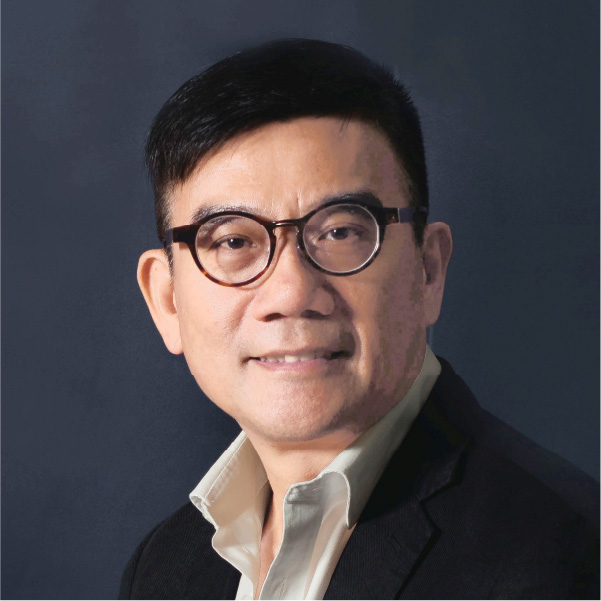
HO Puay-peng
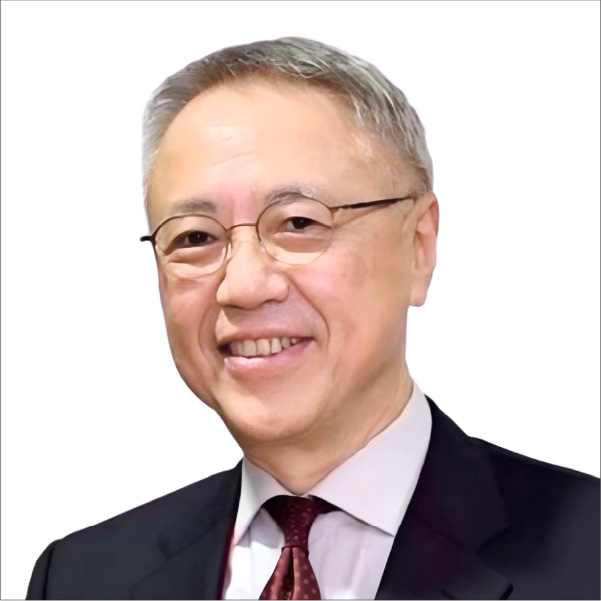
David LUNG
Moderator
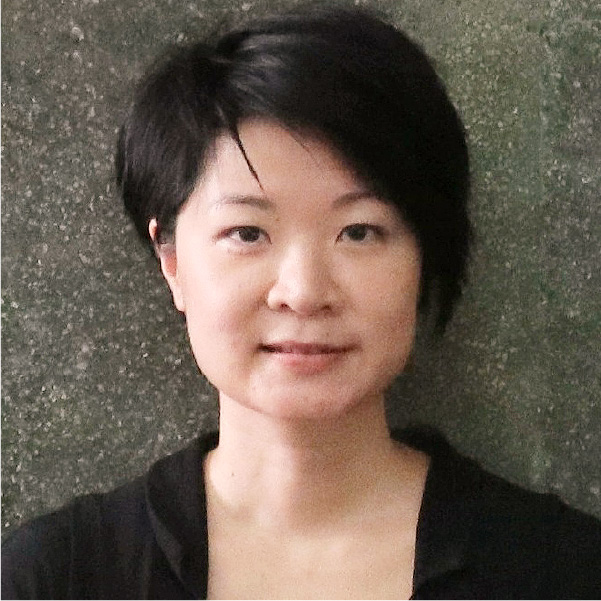
Wendy NG
Track 2.2 Co-learning Workshop
When Trust Carries Weight: Trust-Based Philanthropy in Practice
Trust-based philanthropy has gained traction as funders look to build deeper, more effective relationships with grantees. But it also raises questions about how trust can be built in day-to-day interactions, while maintaining accountability to impact and sharing responsibility when power shifts.
This workshop focuses on what trust-based approaches look like in practice, and the conditions under which they strengthen both relationships and outcomes.
Through practical discussion and shared experience, participants will examine how funders and grantees navigate the balance between trust and rigour, flexibility and responsibility. The session will surface how transparency, consistency, and realistic expectations shape working relationships over time, and how changes in funding structure and process can create space for stronger partnerships, learning journeys, and enduring impact.
Speaker(s)
, 2026_06_05_12_31_01.jpg)
Josephine LEE
, 2026_06_05_12_33_47.jpg)
Laurence LIEN
Moderator
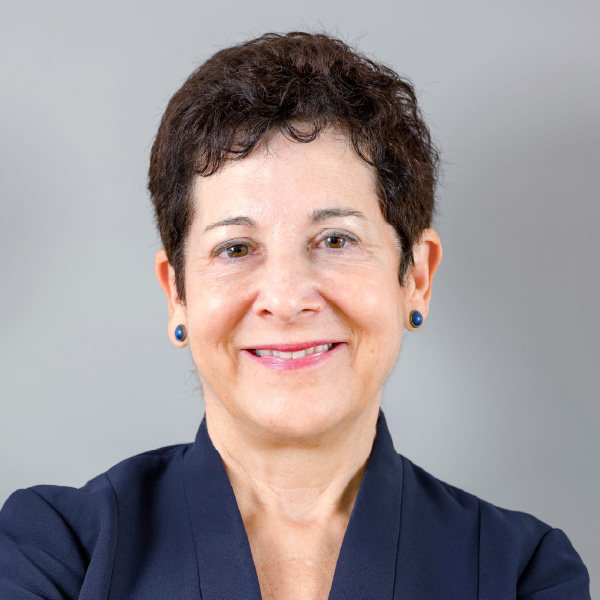
Ruth SHAPIRO
Track 2.3 Impact Studio
Co-creating the Future: Empowering Children and Youth as Partners in Change
Children and young people are often the recipients and beneficiaries of programmes and policies, yet rarely their “co-authors”.
This Impact Studio shifts that dynamic by centring their lived experiences and exploring what becomes possible when adults move from acting “for” the next generation to working “with” them as partners. Through real case exchanges between young people and frontline practitioners, the Impact Studio will unpack the meaning of co-creation—moving beyond consultation towards genuine collaboration and shared responsibility.
Participants will explore approaches that recognise young people as capable partners, with the insight and agency, to co-design solutions and work alongside adults to drive meaningful change in their communities.
Speaker(s)
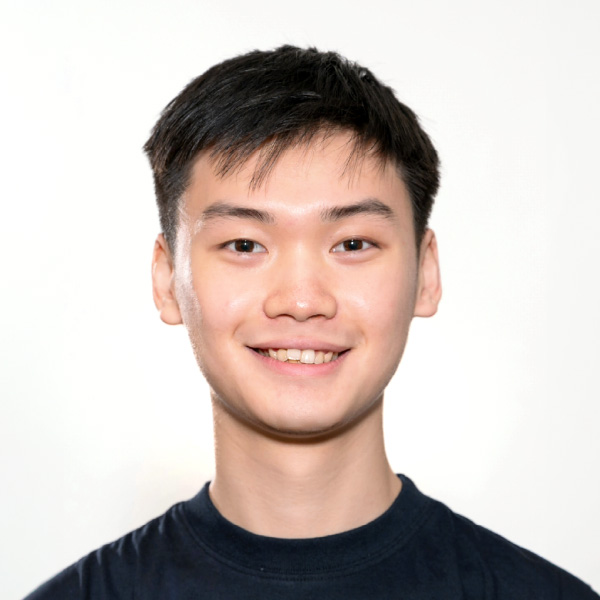
Winfield NGO
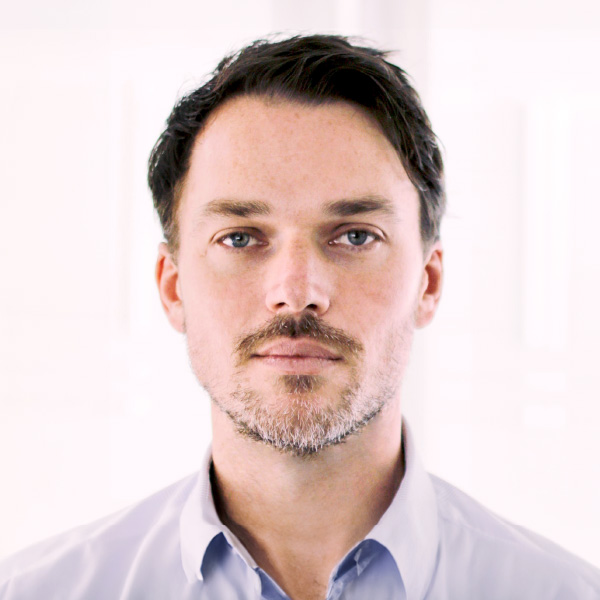
Andy NILSEN
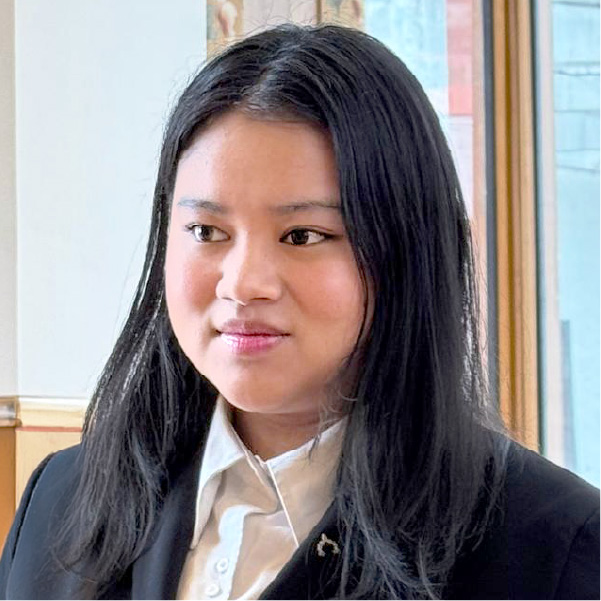
Jamyang Kinley Pema
, 2026_06_23_16_42_27.jpg)
SIU Ching-hei
Moderator
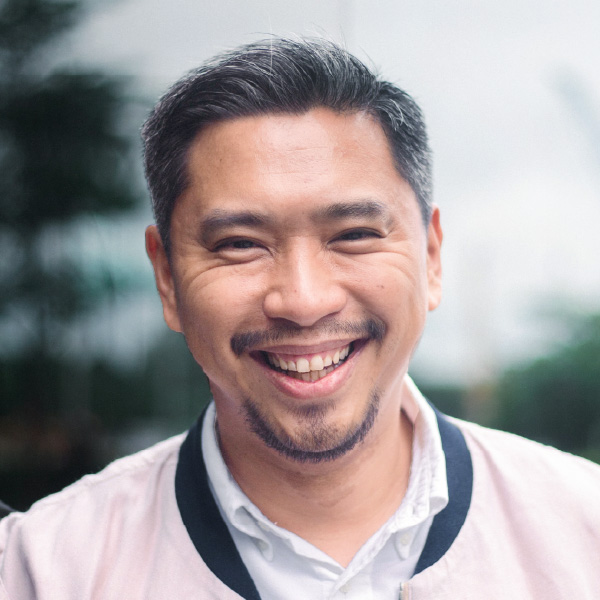
Martin TAN
Track 2.4 Co-learning Workshop
Beyond the Project: Building Organisational Health and Resilience
Lasting and effective impact depends on more than good projects and programmes. It requires the implementing organisations to be strong, clearly focused, and resilient.
As funders and partners across Asia look beyond outputs to the underlying health of the institutions they support, questions have centred on the need for good governance, leadership, financial preparedness, and organisational culture to achieve long-term success.
This workshop examines what it takes for NGOs and social purpose organisations to grow in maturity—not through expansion alone, but through sound judgment, adaptive capacity, and the internal coherence that enables teams to navigate uncertainty.
Speaker(s)
Cheryl CHUI

Juliana BUSASI
Moderator
Vyshnavi DESIRAJU
Lunch Break
Track 3.1 Impact Studio
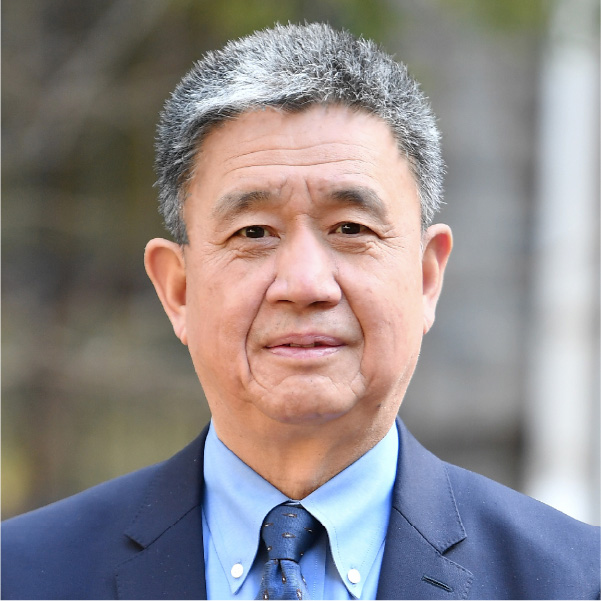
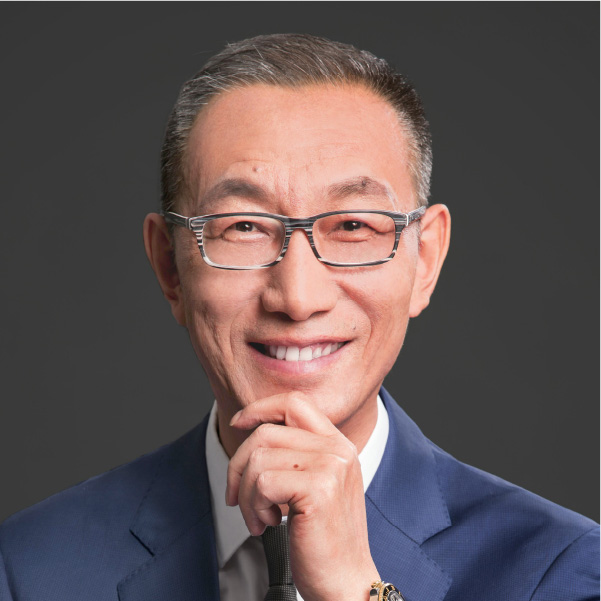
Evolving Philanthropy Landscape in China: Corporate, Family, and Cross Border Giving in Practice (Putonghua session)
This Impact Studio distils the latest shifts in China’s philanthropy sector into a clear, expert briefing through three distinct lenses: it first examines how corporate giving is evolving amid regulatory change and rising ESG expectations, before looking at how family philanthropy is professionalising as next-generation leadership redefines both mandate and method. Finally, the session explores how cross border platforms are intersecting with the charity policy environment in the Greater Bay Area to enable collaboration at new scales.
Together, these perspectives offer a coherent view of an ecosystem in motion—where policy signals, institutional maturity, and public expectations are reshaping models of giving and the terms of partnerships.
Speaker(s)
JIN Jinping
WANG Ming
WANG Zhenyao
Moderator
WANG Xiangwei
Track 3.2 Impact Studio
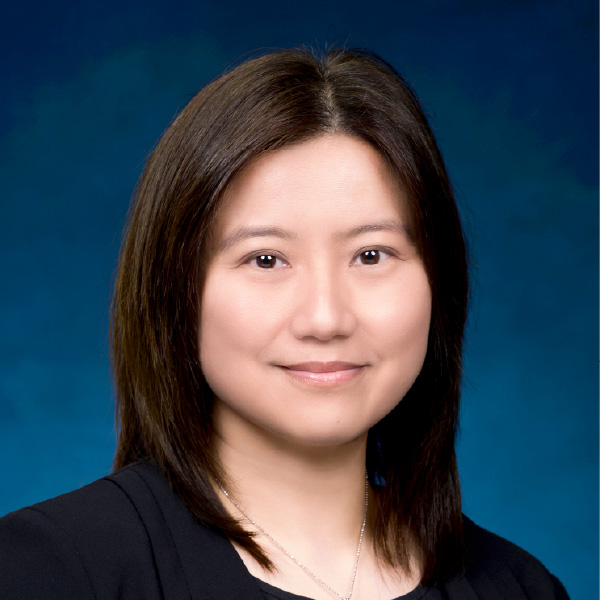
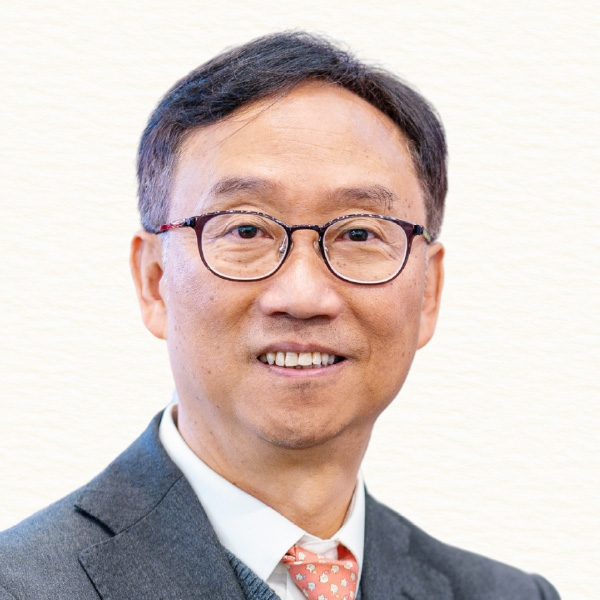
Scaling Inclusive Employment: Four Sector Collaboration
Inclusive employment is a fundamental human right under the United Nations Convention on the Rights of Persons with Disabilities. Realising this at scale requires close collaboration across government, employers, NGOs, together with persons with disabilities to co-create solutions grounded in policy, practice, and lived experience.
Drawing on experience from Hong Kong and similar regions, and the practice through the Jockey Club Collaborative Project for Inclusive Employment, this Impact Studio will analyse how public policy, business leadership, philanthropic and NGO partnerships, together with the sustained involvement of persons with disabilities, can remove structural barriers and redesign employment pathways around capability and contribution.
Bringing together local and international insights, the discussion will identify the conditions needed to move beyond pilots toward sustained, systemic impact, and how coordinated action can unlock under-recognised talent and strengthen more inclusive, resilient, and adaptable labour markets.
Speaker(s)
, 2026_06_05_12_59_54.jpg)
Joyce CHOW
, 2026_06_23_12_20_37.jpg)
Martin ESSL
Winnie KANG

Susan SCOTT-PARKER
Moderator
Edmond LAU
Track 3.3 Impact Studio
Bridging the Gap: Advancing Educational Equity Through Computational Thinking
As technological innovation continues to reshape societies around the world, many young people still lack access to quality education and technology resources, limiting their learning outcomes and development potential. These inequalities are particularly pronounced in under-resourced communities, where poverty, conflict, geographic isolation, inadequate digital infrastructure, and gaps in digital literacy intersect to widen development divides and constrain opportunities for growth and advancement.
This Impact Studio will explore how computational thinking (CT) education—a core foundation of modern digital literacy—can bridge the digital divide and create inclusive learning opportunities across diverse social and geographic contexts. Drawing on experiences from Cambodia, Chinese Mainland and Hong Kong, including the CoolThink@JC initiative across the region, participants will examine strategies to empower teachers, deliver quality CT education, inspire digital creativity, and achieve sustainable and impactful digital education.
The discussion will cover key topics including scaling initiatives, creating sustainable community of practice and teachers exchange, and fostering cross-sector collaboration. It will also explore how policymakers, educators, experts, and funders can work together to create more equitable learning and development pathways for students of different ages and backgrounds.
Speaker(s)
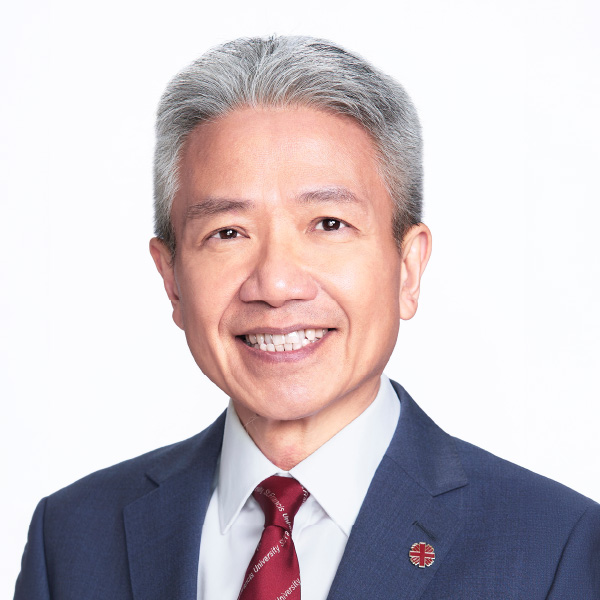
Stephen CHEUNG Yan-leung
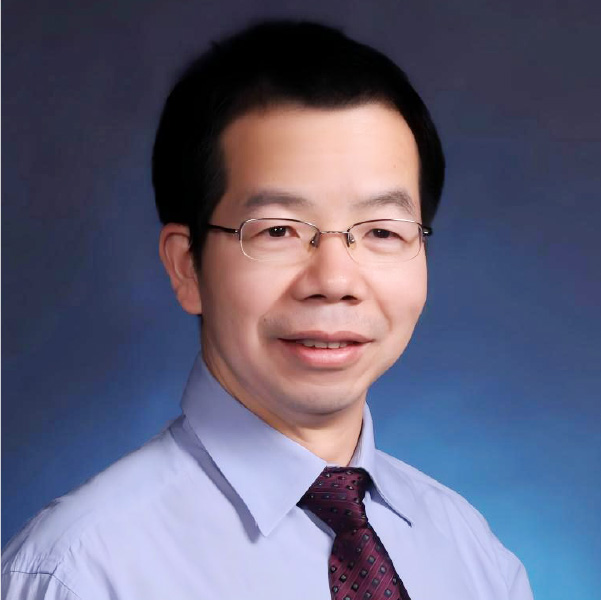
HUANG Ronghuai
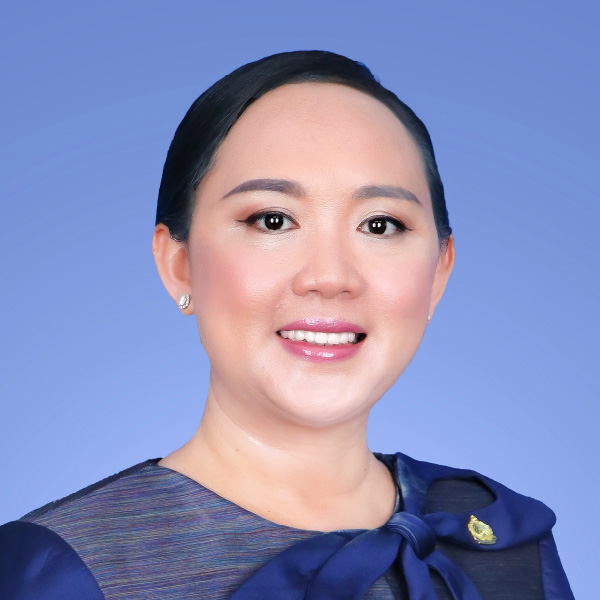
KIM Sethany
Moderator
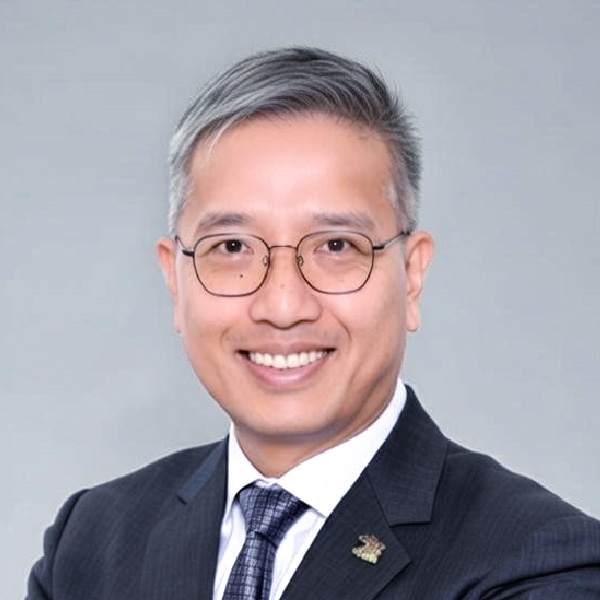
Kerry LEE
Track 3.4 Co-learning Workshop
Technology for Social Impact: Turning Innovation into Purposeful Practice
Technology is creating new possibilities for social impact—helping NGOs reach more people, reduce manual work, and make services easier to access. But successful adoption starts with a clear understanding of real-world needs. How can NGOs use technology in practical, purposeful ways, and decide when a solution is ready to scale?
This workshop is designed for NGOs and philanthropic organisations looking to strengthen their services through technology. Participants will explore how to test ideas quickly, learn from users, and manage risks before scaling.
Participants will gain exposure to practical frameworks and considerations to help identify where technology can add value, and explore approaches to testing, adapting or scaling solutions grounded in the needs of the people they serve.
Speaker(s)
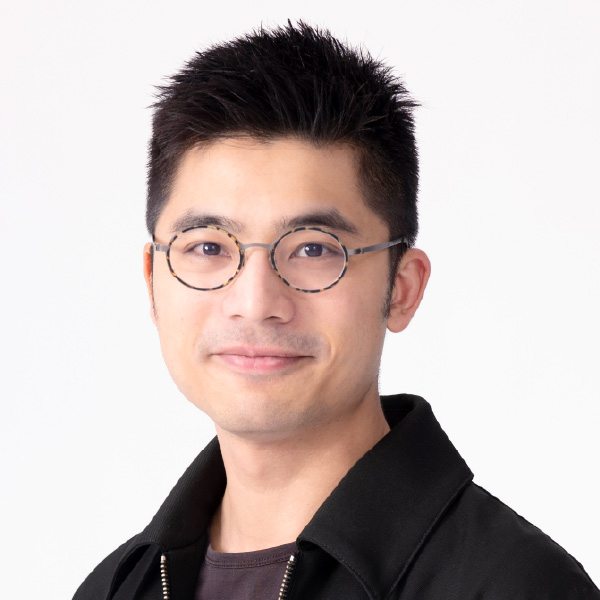
Steven CHAN
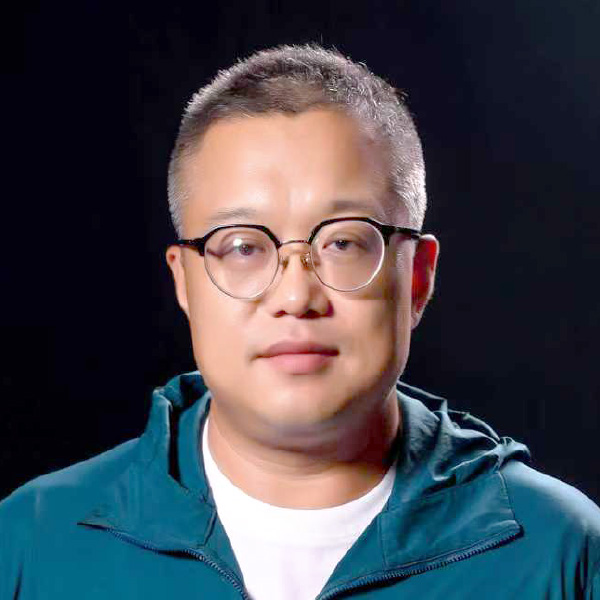
XIAO Liming
Moderator
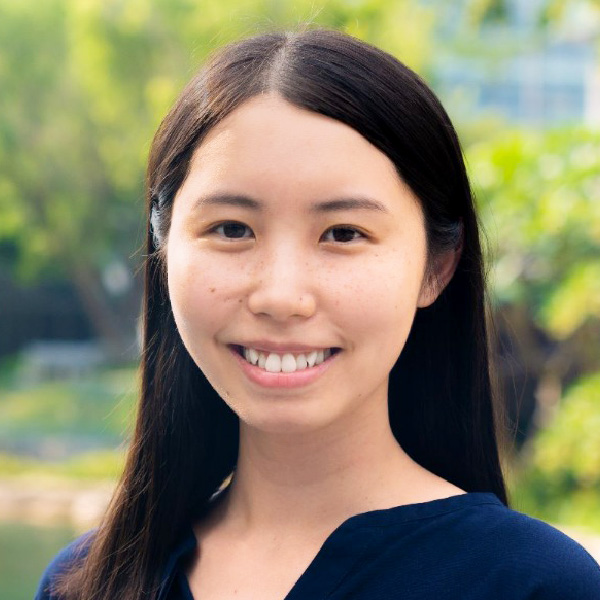
Grace CHENG
Coffee Break
Plenary 7
From the Field to the Boardroom: Training for Leadership
What prepares leaders for responsibility at the highest levels of enterprise and public life? For some, preparation begins not in management training or boardrooms, but in high-performance sport, where standards are exacting, accountability is shared, and excellence is sustained through discipline rather than acclaim.
This panel brings together executive leaders whose early experience in elite sport has shaped how they lead global organisations and complex technological enterprises.
The conversation will also explore leadership both within and beyond the boardroom. It asks how leaders shaped by sport, who found subsequent success in business, can apply the discipline and insights they learned to benefit wider society, through philanthropy, inclusion, and building pathways that extend opportunity to others.
Speaker(s)

Simon ARKELL

Malina NGAI
Moderator

Trisha LEAHY
Coffee Break
Closing Plenary & Closing Remarks
Passing the Torch: From Athletes to Future Changemakers
Elite sport fosters a mindset that endures beyond competition: clarity of purpose, long-term focus, and a commitment to continuous improvement. For those shaped by sport, these qualities often translate into a lasting sense of responsibility and influence beyond the final whistle.
This session features an intergenerational dialogue between a sports leader turned philanthropist and aspiring young elite athletes who want to drive change. It explores how sporting experience, values and public platforms can be carried forward to inspire, mentor and enable the next generation of changemakers.
It examines how athletes can extend the impact beyond competition by investing in others, and how personal growth can mature into leadership, giving back and community building. Participants will also reflect on how to use influence meaningfully, role-model across generations and apply the spirit of sport to philanthropic leadership with perseverance, humility, and service.
Speaker(s)

Yvette KONG
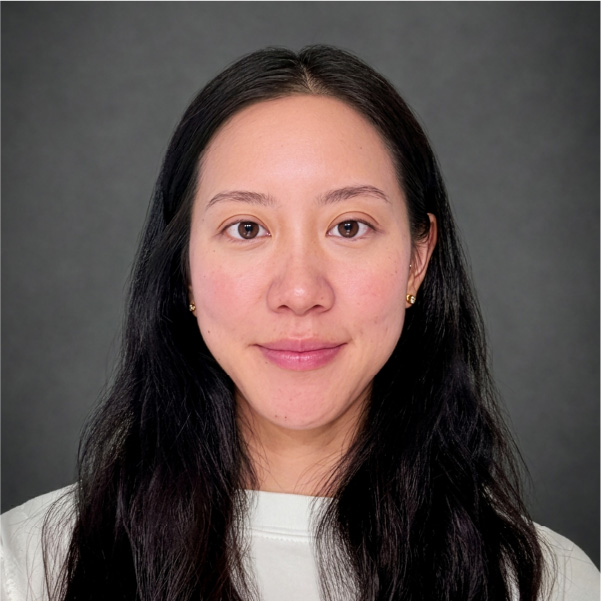
Jacqueline LAI
Moderator
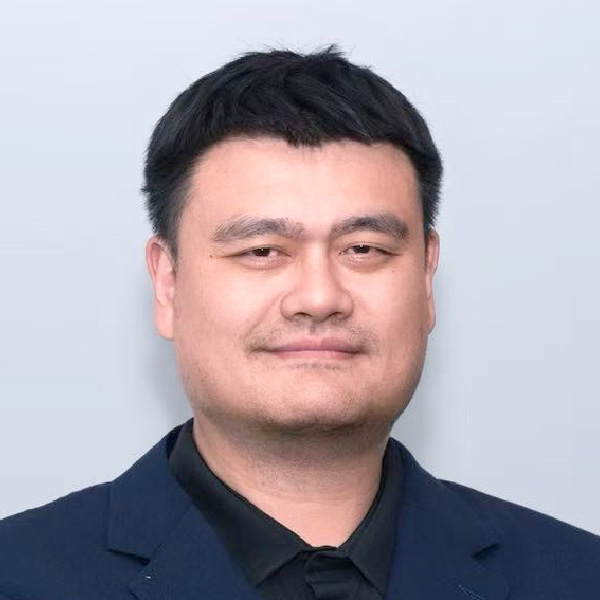
YAO Ming